Purple isn't just a color choice. It's a positioning move.
Most agents still treat purple as risky, too personal, or too trend-driven to help a listing. The better read is more practical. In the right room, with the right shade, purple can make a property feel memorable, expensive, and current. Zillow reported that homes with soft purple or lavender hues in bathrooms and bedrooms sold for an average of 2.5% more than expected, according to this summary of the 2023 Zillow research. That should get every listing agent's attention.
Purple also gives you range. It can read calm, dramatic, luxe, playful, coastal, or modern depending on how you use it. That matters when you're staging for photos, open houses, and buyer psychology, not just personal taste. If you're already refining finishes, textiles, and paint choices, purple room decorating ideas deserve a place in the conversation right alongside your guide to the perfect color palette.
Used badly, purple can overwhelm a space and narrow appeal. Used well, it helps a listing stand out from the sea of beige and gray. These 10 ideas focus on what works for real estate professionals, where to place purple, what to pair it with, and when to stop before the room starts looking like a design experiment instead of a marketable home.
1. The Mauve Minimalist Bedroom
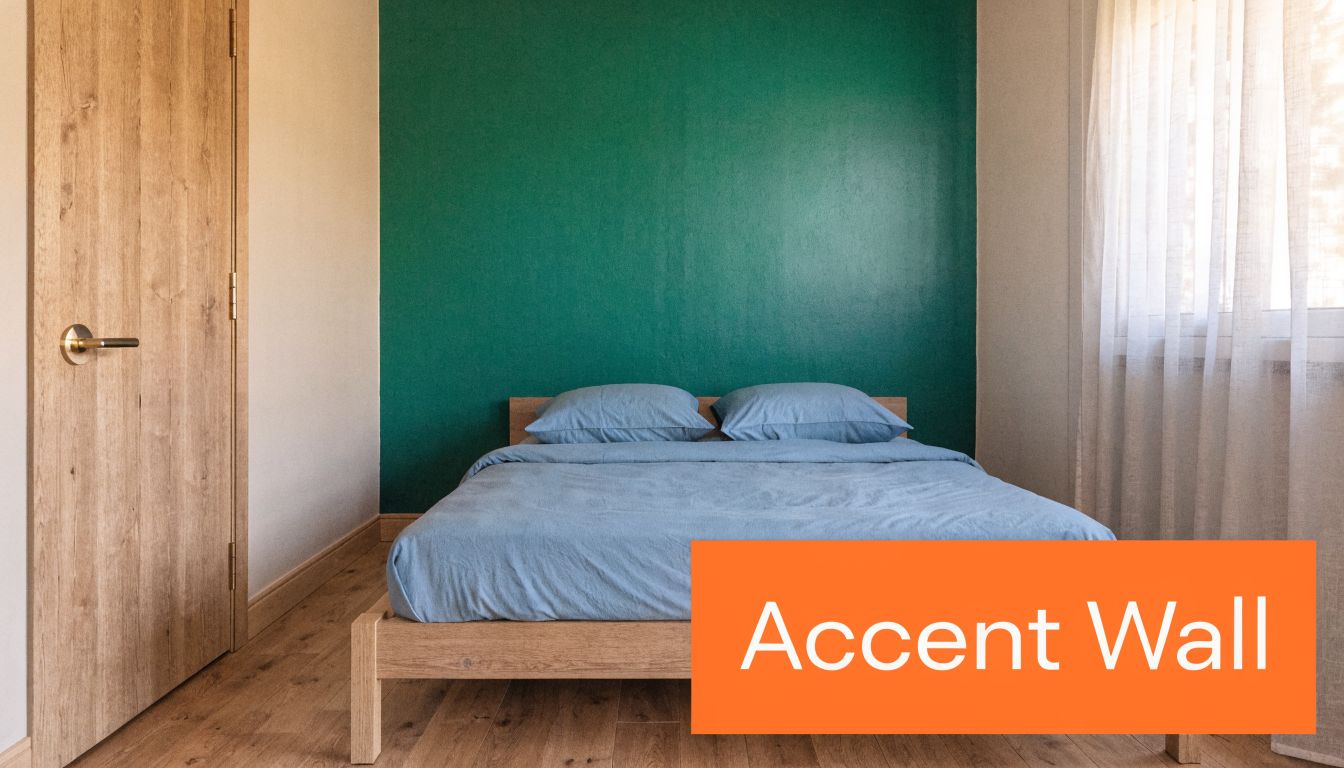
Mauve works when white feels too cold and beige feels too safe. In a primary bedroom, that swap can make the room read softer and more finished without adding visual clutter.
The strongest version is restrained. Keep the shell light, then build a monochromatic palette with dusty mauve bedding, a tonal throw, soft drapery, and one darker purple note through a bench, lumbar pillow, or upholstered headboard. This photographs as layered, not busy.
What makes it sell better
Bedrooms are one of the rooms where purple has the most useful evidence behind it. Buyers don't need a dramatic design statement there. They need to feel calm, sheltered, and slightly upgraded from what they already have.
A mauve minimalist bedroom does that if you avoid two common mistakes. First, don't push the color too pink. Second, don't mix too many undertones. Mauve looks expensive when everything belongs to the same family.
Practical rule: If the bedding, wall color, and rug all fight for attention, the room will look smaller in photos. Let one surface lead and keep the rest quiet.
For staging, I like to keep the furniture profile simple. Pale oak nightstands, cream boucle, brushed brass, and a low-contrast area rug keep the purple from feeling theme-driven. This is one of the easiest purple room decorating ideas to apply in occupied homes because you can often do it with textiles and art alone.
2. The Jewel-Tone Regal Living Room
A jewel-tone purple living room can raise perceived value fast, but only in the right listing. In a luxury condo, period property, or architecturally distinctive townhouse, deep plum signals confidence and helps the home stand apart in search results and showing feedback.
Use plum as the visual anchor, then layer in emerald, sapphire, and a controlled amount of brass or bronze through upholstery, art, lighting, and a few styling pieces. The goal is contrast with discipline. Listing photos need depth, not noise, and too many saturated colors will flatten together on camera.
This look performs best in rooms with features buyers already read as premium. Tall ceilings, millwork, fireplaces, larger windows, and built-ins give dark color something to work against. In a low-ceilinged or underlit living room, the same palette can absorb light and make the footprint feel smaller.
That trade-off matters. A regal palette will not appeal to every buyer, but it can create a stronger emotional response from the buyer segment willing to pay for character.
What makes it photograph and sell well
Dark purple succeeds when the room still reads bright at the edges. Keep the ceiling light. Let window treatments stay airy. Bring in cream, walnut, stone, or reflective metal so the eye has places to rest. If every major surface is rich and dark, the room starts to look theme-driven instead of expensive.
For agents, this is a useful strategy in listings that need memorability more than mass-market safety. Before committing, review house staging before and after examples with darker, high-contrast palettes and compare what feels dramatic in person versus what still reads clean in photos.
- Choose one hero piece: A plum velvet sofa or two statement chairs usually do enough work on their own.
- Control the walls: If seating carries the color, use a softer wall tone, textured neutral wallpaper, or warm white paint.
- Warm the light sources: Table lamps, sconces, and shaded bulbs keep purple from turning cold or muddy in evening photography.
- Edit accessories hard: A few substantial objects photograph better than many small decorative pieces.
Rich purple needs light, texture, and restraint. Without those three, regal turns heavy.
3. The Lavender Farmhouse Nursery
Lavender gives a nursery softness without locking the room into a dated pink script. In farmhouse-leaning homes, it also bridges old and new better than blush does.
Use lavender through paint, crib linens, or a washable area rug, then bring in white shiplap, natural wood, woven baskets, and black hardware for structure. The room should feel edited. Buyers want to see a nursery that can flex into a guest room, toddler room, or office later.

Why the shade matters
Purple doesn't behave like one color. Its spectrum runs from deep aubergine to lavender, pinky mauves, and soft lilac, which gives agents a lot of flexibility across home styles, according to Homes & Gardens' look at purple room ideas. For a nursery, stay at the lighter end.
What doesn't work is a sugary lavender mixed with too much distressed decor. That combination can date the room quickly and photograph as cluttered. A cleaner approach is better. White crib, light oak dresser, lavender textile accents, one oversized print, and maybe a boucle glider.
A useful staging scenario is the move-up family home where one spare room needs identity but can't become too specific. Lavender lets you suggest comfort and care without making the room feel locked to one life stage.
4. The Amethyst Art Deco Dining Room
Dining rooms are where bold purple often performs best. Buyers read them as occasional-use spaces, which gives you more room to create mood and character.
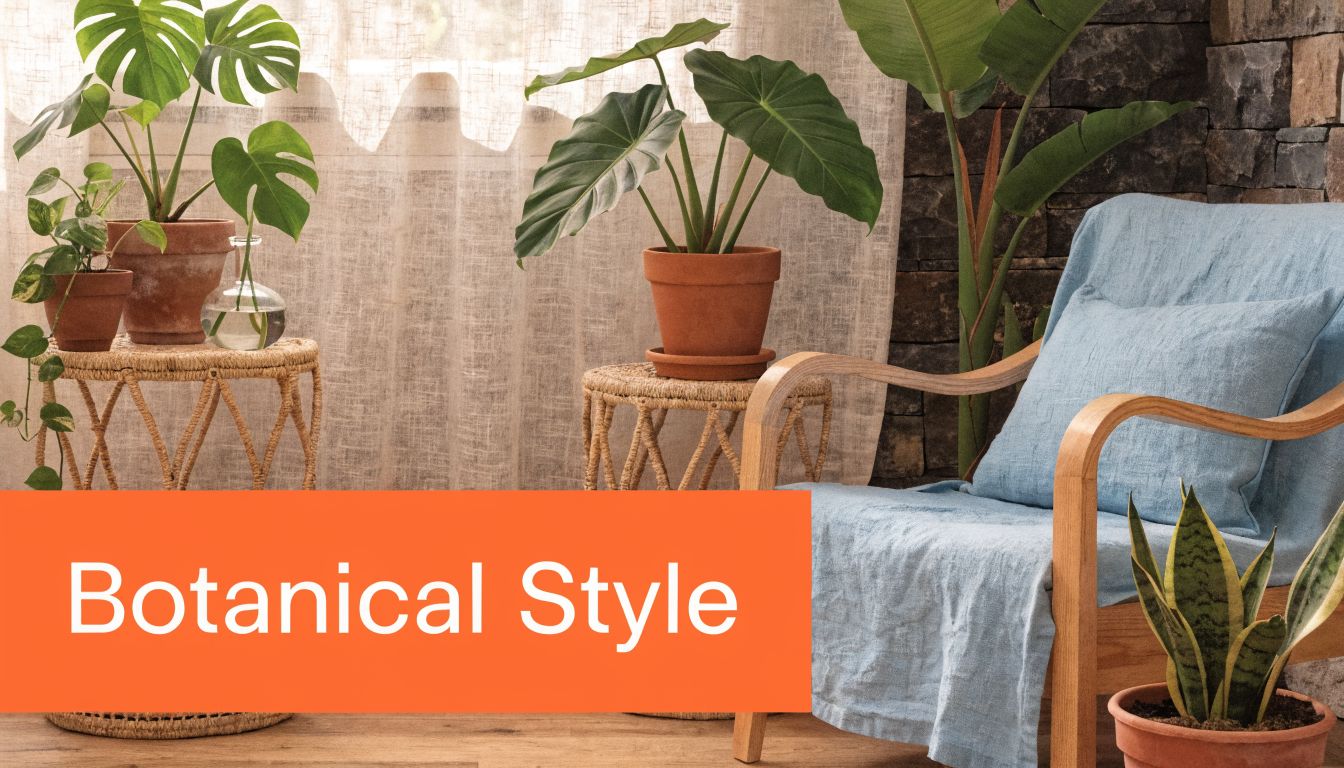
Amethyst works especially well with geometric mirrors, black lacquer, smoked glass, fluted details, and brass or bronze. If the property has formal bones, this can feel like a natural extension of the architecture rather than a styling stunt. If it's a newer build, the same palette can add needed personality.
How to keep it elegant
Go for one dominant statement. That might be amethyst walls, amethyst dining chairs, or a dramatic area rug. Don't do all three unless the room is large and professionally lit.
A lighting piece can carry a surprising amount of the mood. Decorative crystal lighting can support the Art Deco look without adding more furniture bulk, which is why pieces like Chevron Amethyst slice lighting can make sense as a selective accent rather than a centerpiece in every room.
Buyer lens: A formal dining room has to promise a lifestyle. Purple helps when it suggests dinner parties and polish, not novelty.
What usually fails here is over-theming. Too many mirrored surfaces, too much black, and too many metallics can push the room into restaurant territory. Keep enough softness through upholstery, drapery, or a warm rug so buyers still see a home.
5. The Wisteria and Sage Home Office
A well-staged home office can raise perceived function faster than almost any secondary room, and wisteria with sage is one of the safer ways to do it. The palette reads calm, organized, and current in listing photos. It also gives agents something useful to sell: a workspace that feels designed for focus, not carved out as an afterthought.
Wisteria softens the room. Sage gives it structure. Use wisteria on a single wall, window treatments, or a rug, then bring in sage through shelving, a desk chair, storage boxes, or botanical art. That balance matters. Too much purple can read decorative and niche. Too much sage can flatten the room and make it feel more utilitarian than aspirational.
Built for remote-work appeal
Color psychology matters more in a home office than in a pass-through room because buyers are judging both productivity and comfort. Purple is widely associated with creativity, while green cues calm and restoration. In practice, that means this pairing helps a workspace photograph as livable and useful at the same time.
For agents, a key advantage is flexibility. You can test whether the room performs better with a painted accent wall, a sage bookcase, or a lighter accessory-only scheme before the listing goes live by using a virtual staging guide for real estate marketing. That reduces guesswork and helps avoid a color choice that dominates the photo set.
A few staging rules keep this look marketable:
- Choose soft violet over bright purple: Softer tones support focus and keep the office aligned with the rest of the home.
- Layer in natural materials: Linen, light oak, matte ceramics, and one healthy plant keep the palette from feeling artificial.
- Limit the set dressing: One desk, one chair, and a restrained shelf vignette usually photograph better than a fully loaded workspace.
The main risk is making the room look too personal or too theme-driven. A saturated purple chair, dark desk, and bright accent wall can push the office toward a hobby room or gaming setup. Buyers need to see a flexible workspace they can use on day one.
6. The Periwinkle Coastal Bathroom
A well-staged bathroom can do more to raise perceived value than its square footage suggests. Buyers read this room fast. If it feels clean, calm, and current in photos, the whole property tends to feel better maintained.
Periwinkle works in that context because it sits close to blue, which makes it easier to sell than a sweeter purple. It gives a coastal bathroom a spa signal without pushing the room into novelty. That matters in listing photography, where color has to read clearly in one glance.
The coastal version that helps the home photograph better
Use periwinkle with restraint. A painted vanity, wall color above tile, shower curtain, or towel set is usually enough. Pair it with crisp white, sandy beige, pale oak, rattan, or honed stone so the purple reads as intentional rather than accidental.
This color is most effective in bathrooms with cool fixed finishes. Chrome, white subway tile, gray porcelain, and marble all sit comfortably with periwinkle. If the room has cream tile, travertine, or brass, a softer lavender often fits better and avoids the slight clash that can make a bathroom feel pieced together.
Clarity is a real estate advantage. Periwinkle helps define the bathroom as fresh and styled, which gives agents a stronger lead photo set than a plain white bath with no focal point. It also separates the listing from the stream of gray-and-white bathrooms buyers scroll past every day.
Skip obvious beach props. Shell jars, anchor art, and rope accessories lower the ceiling on perceived value because they read as theme decor, not design. A coastal bathroom sells better when the reference is material-driven: white towels, woven texture, glass, light wood, and one controlled hit of color.
Lighting decides whether this idea works. Purple undertones can collapse into gray under cool LEDs, especially in small baths with little natural light. Check the paint and textiles under the same bulb temperature used for photos and showings, then adjust before the photographer arrives.
7. The Aubergine Moody Library or Den
Aubergine is for intimacy, not openness. That's why it works in a den, library, or small sitting room where the point is to create enclosure and mood.
Color drenching is the right move here. Paint walls, trim, and even the ceiling in the same aubergine or eggplant family. It collapses visual stops and makes the room feel intentional instead of chopped up. This is especially strong in rooms with built-ins, bookshelves, or paneling.
Why dark purple can outperform neutral here
Not every room needs to feel large. Some need to feel valuable. A moody den can suggest privacy, intellect, and comfort in a way a pale gray box never will.
The caveat is lighting. Apartment Therapy's guidance emphasizes dimmers and layered lighting systems for purple spaces because the color changes dramatically by time of day and use. In practice, that means a central fixture is not enough. You need at least a floor lamp, a table lamp, and some wall or shelf light if the room is being marketed as a retreat.
Use materials that can hold their own against the dark shell. Think cognac leather, walnut, aged brass, dark marble, and thick woven textiles. What doesn't work is lightweight furniture with shiny chrome. It gets visually swallowed.
This approach is often strongest in secondary spaces that feel undefined in a listing. If buyers see "small bonus room," they discount it. If they see "library" or "cocktail den," they assign purpose and status.
8. The Lilac and Gray Scandinavian Living Room
A lilac and gray Scandinavian living room can raise a listing faster than another safe beige setup. It gives buyers a room they remember, while still photographing cleanly enough for broad-market appeal.
The formula is restraint. Keep the shell light with off-white walls, pale oak, and soft gray upholstery. Then place lilac in one controlled focal point, such as an accent chair, a single large artwork, a ceramic table lamp, or a textured throw. That keeps the room bright, adds warmth to the photos, and avoids the overstyled look that makes buyers question the rest of the house.
Warm minimalism photographs better
Scandinavian living rooms often lose definition online because white, beige, and pale wood can flatten into one tone. Lilac solves that problem by adding visible contrast without making the room feel busy. In buyer psychology terms, it softens the space and makes minimalism feel livable rather than sparse.
For agents, this is a staging choice with real marketing value. Lilac reads current but not risky, especially when gray does the grounding work. If you are testing alternate hero images or adjusting listing photos, these AI photo editing tools used in real estate marketing can help you preview how a lilac accent will read on camera before changing the room in person.
A few guidelines keep this palette on the profitable side of tasteful:
- Use gray as the anchor: It keeps lilac mature and prevents a pastel, youth-room feel.
- Stick with matte or chalky finishes: They reflect light more evenly and look better in listing photography.
- Choose simple, low-profile furniture: Clean Scandinavian silhouettes make the color look intentional and design-led.
- Limit the accents: One strong lilac moment usually sells better than several smaller ones.
Trend coverage has pushed soft purple back into mainstream interiors, but resale value comes from discipline, not trend-chasing. Buyers respond well when the room feels edited, calm, and easy to copy in their own version of the home.
What hurts value is scatter. Multiple lilac accessories, mixed pastel tones, and decorative clutter make the space feel less premium. The strongest version looks warm, pared back, and expensive in photos before a buyer ever walks through the door.
9. The Orchid and Charcoal Modern Kitchen
Kitchens need discipline. Purple can absolutely work there, but only when the application is precise.
The strongest formula is charcoal cabinetry with orchid used in one architectural moment. A backsplash, island base, bar stools, or a set of pendants can carry the color. Orchid is brighter and more electric than mauve or lavender, which is why it needs a dark neutral to ground it.
Make the contrast do the work
This palette is for design-forward properties, not every suburban resale. In a loft, renovated townhouse, or sleek new build, orchid and charcoal can make the kitchen feel like the home's signature room.
Because kitchens are photographed constantly and buyers scrutinize every finish, visualization matters. Before changing a backsplash color or digitally restyling cabinetry, it's worth reviewing AI photo editing tools used in real estate marketing so the final images look plausible rather than overprocessed.
One useful benchmark from purple design guidance is pairing purple with metallic accents and complementary colors carefully rather than stacking more saturated hues. In kitchens, that usually means choosing one extra note. Brass hardware. White quartz. Oak shelving. Pick one lane and stick with it.
Saturated purple in a kitchen needs sharp edges and clean materials. If the millwork is fussy, the whole room starts to look dated.
What fails is trying to split the difference with too many purple touches. One orchid island can look custom. Purple bar stools, backsplash tile, and appliances together look like a showroom experiment.
10. The Iris Bohemian Patio or Sunroom
Purple works beautifully in transitional spaces because it can lean floral, relaxed, and collected without feeling formal. An iris-toned patio or sunroom feels personal in a good way. It gives buyers an emotional picture of how they'd use the space.
Layer the color through outdoor cushions, throws, planters, rugs, and lightweight drapery. Mix several nearby shades instead of one exact match. Iris, violet, dusty lavender, and muted plum can coexist if the base materials stay natural.
Keep it grounded in texture
This style depends less on paint and more on layering. Woven chairs, jute or sisal underfoot, terracotta, raw wood, and leafy plants stop purple from floating off into boho cliché.
This is also where a less polished look can be an advantage. A sunroom doesn't need symmetry the way a living room does. It needs ease. Buyers should feel they can read, host friends, or drink coffee there.
For occupied listings, this is one of the simplest purple room decorating ideas to stage fast. Swap in textile covers, add a patterned pillow mix, replace generic planters, and anchor the whole area with a faded rug that includes violet or iris tones.
The biggest mistake is using too many tiny accessories. Consolidate. Fewer, larger pieces photograph better and make the space look curated instead of improvised.
Purple Room Design: 10-Style Comparison
| Style | Implementation Complexity 🔄 | Resource Requirements ⚡ | Expected Quality ⭐ | Ideal Use Cases 📊 | Pro Tips 💡 |
|---|---|---|---|---|---|
| The Mauve Minimalist Bedroom | Medium, paint + selective furnishings | Low–Medium, paint, linens, 1 accent chair, art | High ⭐⭐⭐ | Primary suite listings seeking a calm, upscale look | Limit mauve accents to two; maximize natural light; use AI restyling |
| The Jewel-Tone Regal Living Room | High, curated textiles & layered lighting | High, velvet seating, chandelier, metallics | Very High ⭐⭐⭐⭐ | High-end homes and entertainer-focused listings | Group jewel tones; use mirrors to amplify light; consider virtual staging |
| The Lavender Farmhouse Nursery | Medium, balance style with safety | Medium, crib, rocker, textiles, blackout curtains | High ⭐⭐⭐ | Young families; gender-neutral nursery staging | Keep lavender as an accent; prioritize safe layout and storage |
| The Amethyst Art Deco Dining Room | High, period-accurate pieces & symmetry | High, chandelier, brass accents, lacquered furniture | Very High ⭐⭐⭐⭐ | Formal dining rooms; period homes or luxury listings | Photograph at dusk with lights on; preview via AI renovation tools |
| The Wisteria & Sage Home Office | Low–Medium, functional styling & lighting | Medium, desk, ergonomic chair, storage, plants | High ⭐⭐⭐ | Remote/hybrid worker market; flex-space conversions | Face desk to window; stage as turnkey office with virtual staging |
| The Periwinkle Coastal Bathroom | Low–Medium, fixtures and finish updates | Low–Medium, vanity, fixtures, tile/accents | High ⭐⭐⭐ | Updated baths wanting a spa-like, broad appeal | Keep surfaces clear; ensure grout/caulk sparkle; use AI renovation to demo tiles |
| The Aubergine Moody Library/Den | Medium–High, color drenching + warm lighting | Medium, shelving, reading lamp, leather seating | High ⭐⭐⭐ | Dens, libraries, intimate reading spaces | Use warm, layered lighting; show both current and AI-restyled versions |
| The Lilac & Gray Scandinavian Living Room | Low, simple swaps and light styling | Low–Medium, light furniture, lilac rug or accent wall | High ⭐⭐⭐ | Modern/minimal listings emphasizing light and function | Maximize natural light; provide alternate lilac placements with virtual staging |
| The Orchid & Charcoal Modern Kitchen | High, bold finishes and precise lighting | High, cabinetry/backsplash, high-end appliances | Very High ⭐⭐⭐⭐ | Trend-forward buyers; kitchens as showpieces | Use wide-angle photos; demo orchid island/backplash via AI edits |
| The Iris Bohemian Patio/Sunroom | Low–Medium, layered textiles and plants | Low–Medium, rattan, cushions, plants, rugs | High ⭐⭐⭐ | Buyers valuing casual indoor/outdoor living and personality | Keep boho curated not cluttered; use virtual staging to enliven empty patios |
From Palette to Payday Your Purple Room Playbook
Purple earns its place in staging when it's used as strategy, not self-expression. That's the distinction that matters for agents. You're not decorating for your own taste. You're shaping buyer response, improving photo performance, and helping a listing claim a clearer identity in a crowded feed.
The biggest lesson across these rooms is simple. Shade selection does most of the work. Soft purples like mauve, lavender, wisteria, lilac, and periwinkle usually help where buyers expect calm. Bedrooms, bathrooms, nurseries, and lighter living spaces benefit from that approach. Darker shades like plum, amethyst, aubergine, and orchid need stronger architecture, better lighting, and a more specific buyer profile, but they can create the kind of memorable listing that lifts perceived quality.
That means you shouldn't ask, "Does purple work?" The right question is, "Which purple works in this property, in this room, for this buyer?" A coastal condo bathroom needs a different answer than a formal dining room in a historic home. A nursery in a move-up family listing needs a different answer than a jewel-box den in a luxury townhouse.
There are also clear trade-offs. Purple fails when it's too pink, too saturated for the room, or unsupported by the rest of the palette. It fails when agents chase trend without checking the bones of the home. It fails when listing photos flatten the color because the lighting was never tested. Most bad purple rooms aren't bad because the color is wrong. They're bad because the application is careless.
A disciplined approach usually looks like this:
- Match the shade to the room's job: calming tones for retreat spaces, richer tones for social or statement spaces.
- Pair purple with structure: neutrals, wood, stone, or metallics keep it marketable.
- Style for camera first: color that feels subtle in person can read stronger in photos.
- Edit aggressively: one purple move per room is often enough.
If you're making decisions before paint, purchases, or physical staging, test them visually first. AI restyling is especially useful here because purple is highly sensitive to light, texture, and surrounding materials. A lavender wall that looks refined in one room may turn dull in another. A plum accent chair may either enhance the listing or hijack it. The point is to see that before you spend time and money.
For agents refining a listing's visual story, it's worth reviewing practical guidance on matching paint for hardwood floors because purple only works when the undertones of the floor, millwork, and furnishings cooperate.
Purple isn't a gimmick. It's a lever. Use it where it improves the room's function, makes the listing easier to remember, and helps buyers attach more value to what they're seeing.
Bounti Labs helps real estate professionals test ideas like these before they commit. With Bounti Labs, you can turn a simple property walkthrough into MLS-ready visuals, restyle rooms with AI, and compare options like lavender bedrooms, jewel-tone living rooms, or periwinkle bathrooms in minutes. For agents, teams, and marketers who need faster creative decisions and stronger listing presentation, it's one of the most practical ways to make every property look market-ready.